Luxobarges for the masses, or incongruous badge engineering?
Some cars know exactly what they are. A Dacia Sandero wakes up every morning fully aware that its destiny is to transport groceries, regret and the faint smell of damp upholstery.
A Mercedes-Benz S-Class, on the other hand, glides through life as though it owns not only the road, but the very concept of asphalt itself. No confusion, no existential crisis – just purpose.
Then there are the others. The ones caught in a perpetual identity crisis, like a man wearing a tuxedo jacket with jogging bottoms. These are the cars that tried to straddle the line between working-class grit and upper-crust luxury. The automotive equivalent of putting gold leaf on a fish finger.
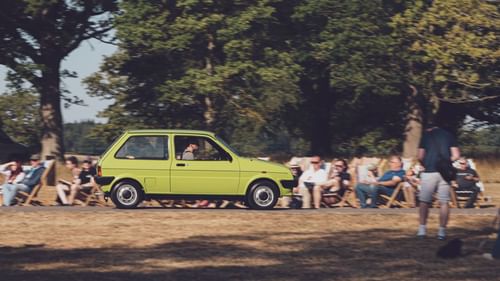
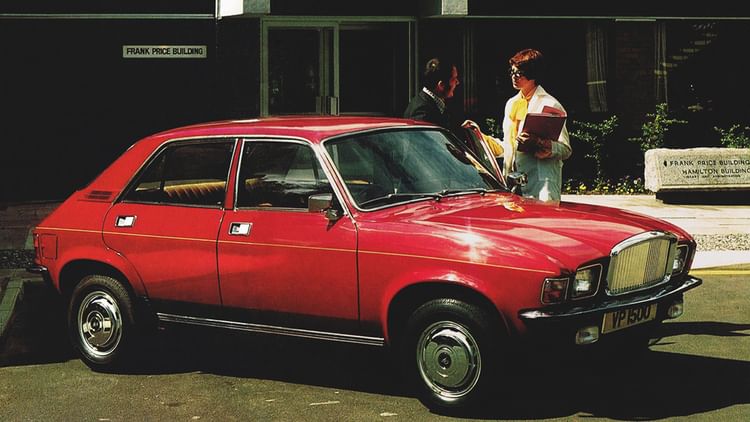
At the centre of this noble yet slightly tragic genre sits what everyone calls the Austin Allegro Vanden Plas – even if British Leyland, in its infinite wisdom, insisted on badging it as the Vanden Plas 1500 or 1750. A car that looked like it should come with a complimentary toolbox, but instead offered real walnut veneer. Somewhere, a tree gave its life so that an Allegro driver could feel vaguely aristocratic while queueing at a petrol station behind a tractor.
The Allegro itself was not a car that screamed ‘prestige’. It didn’t even cough ‘competence’ with much conviction. It was bulbous, awkward and had the aerodynamic properties of a mildly offended loaf of bread. Yet someone, somewhere in a British Leyland meeting room filled with weak tea and stronger denial, said: ‘What if… we made it posh?’
They added leather, wood, and carpets thick enough to trap crumbs from three generations of sandwiches. But no amount of interior garnish could disguise the fact that underneath it all was still a car that looked like it might apologise when you turned the ignition. Driving one must have felt like attending a black-tie event in borrowed shoes: technically impressive, but slightly uncomfortable and always at risk of being found out.
This phenomenon wasn’t limited to British engineering optimism. Across Europe and beyond, manufacturers flirted with the idea that luxury wasn’t about engineering excellence, but about accessorising aggressively.
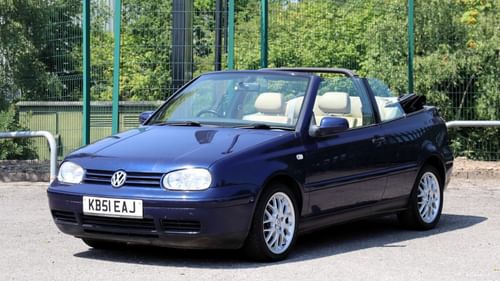
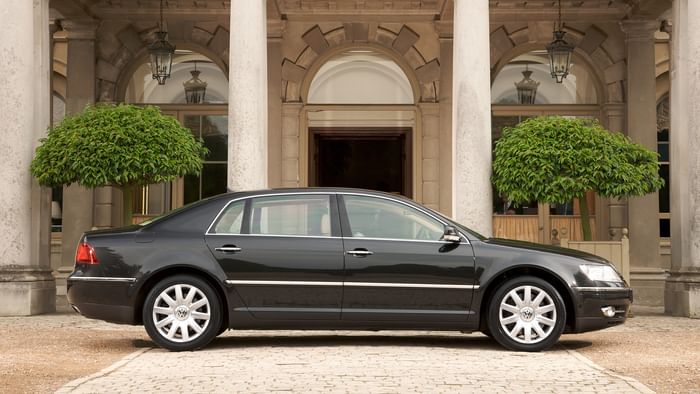
Take the Volkswagen Phaeton – a car that asked the daring question: ‘What if a Volkswagen cost as much as a house?’ It was exquisitely built and astonishingly refined, yet carried the same badge as your neighbour’s Golf, who still owes you £20. The problem wasn’t that it was bad; it was that it was confusing. People don’t want to explain their car. Luxury, by its nature, should require no footnotes. Nobody buying a high-end vehicle wants to say, ‘Yes, it’s basically a Passat, but with… feelings.’
Then there’s the Ford Granada Ghia, which tried to convince the world that velour seats and a few extra chrome strips could transform a sensible executive car into something approaching opulence. It’s as if Ford believed luxury was simply a matter of persistence: keep adding trim until the customer stops asking questions.
To be fair, it sometimes worked – at least temporarily. Sit inside one of these cars and you could almost believe you’d made it. The seats were softer, the dashboard shinier, and there might even have been a clock that looked like it had ambitions.
These cars weren’t just machines; they were social statements. They said: ‘I have aspirations, but also a tight budget.’ They were for people who wanted a taste of the high life without fully committing to the financial consequences. And who can blame them? Not everyone can – or should – drive something that costs more than their house.
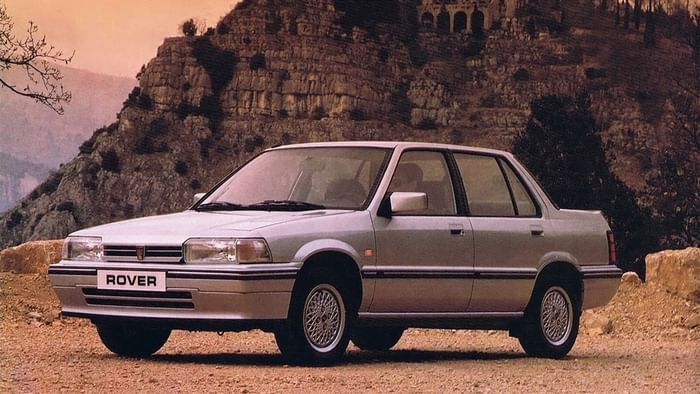
Unfortunately, the execution often bordered on the absurd. Consider the Rover 216 Vitesse, a car that tried to combine performance, refinement, and affordability, resulting in something that felt like it had read about all three concepts but never quite met them in person.
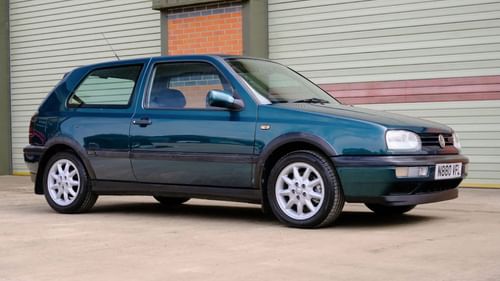
Or the countless ‘special editions‘ manufacturers churned out in moments of creative desperation. Stick on some alloy wheels, add a badge in cursive script, throw in a cassette player that might work if you’re polite enough, and suddenly you have a ‘luxury variant’. It’s less engineering, more wishful thinking.
The real charm of these cars lies in their sincerity – they genuinely tried. There’s something almost endearing about a vehicle that believes a strip of chrome can change its destiny. It’s like watching someone put on a fancy hat and immediately stand a little taller.
However, cynicism inevitably creeps in. Deep down, you know luxury isn’t something you can bolt on. It’s baked into the DNA of a car: the engineering, the materials, the way it moves and feels. You can’t just sprinkle a bit of walnut dust over a fundamentally ordinary machine and expect it to become extraordinary. Admitting that some cars are simply meant to be ordinary is somehow more difficult than creating a leather-trimmed illusion.
There’s also the uncomfortable truth that buyers played along. People wanted to believe. They wanted the badge, the trim level, the subtle suggestion that they were doing slightly better than their next-door neighbour. These cars were less about transportation and more about storytelling.
They told a story of upward mobility, of small victories, of treating oneself without completely derailing one’s finances. And like all good stories, they required a degree of suspension of disbelief.
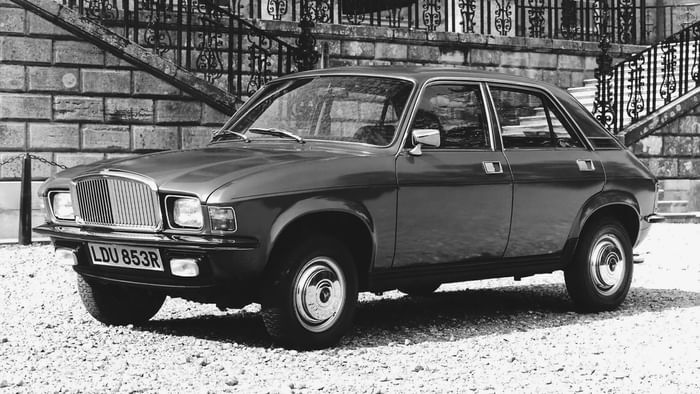
Looking back, it’s easy to laugh – the mismatched ambitions, the overconfident trim packages, the dashboards that tried just a little too hard. But there’s also something admirable about the effort. These cars dared to dream beyond their station, even if the results were occasionally ridiculous.
The Austin Allegro Vanden Plas may never have been a true luxury car, but it represents a very human impulse: the desire to elevate, to add a touch of refinement to the mundane. It’s the automotive equivalent of using Royal Doulton for a takeaway.
Perhaps that’s why they endure in the memory. They were far from perfect, but they were trying to be something more – flawed, confused, occasionally hilarious, but undeniably earnest.
In a world where everything increasingly knows exactly what it is, there’s something almost refreshing about a car that wasn’t quite sure.
Photos © Newspress and WheelsAge.