Doubling down on a mistake is quite the worst thing you can do, particularly when it comes to cars. Some ideas through motoring history have quite rightly been consigned to the bin, despite often arising from misplaced genius.
Propellers. Jet turbines. Nuclear power. Rear engines.
While most of these ideas were swiftly abandoned, having established how extraordinarily dangerous they were, there’s a widespread perception among a small but vocal group of car enthusiasts that Dr. Ing. h.c. F. Porsche AG will one day make its 911 model drive as well as a mid- or front-engined car.
Dogged determination in pursuit of an ideal is an admirable characteristic – for a short time at least. But true wisdom comes through learning from your missteps and errors, and acknowledging the evidence.
While Porsche keeps trying to convince us, and itself, that the 911 is an unconventional beacon of engineering defeating physics, literally every other manufacturer has cottoned on to the idea that sticking the single most weighty component of their product right at one end is pretty daft.
Let’s tackle this head on: the 911 needs to have its engine in the correct place to ever be a truly great machine.
Defeat your heroes
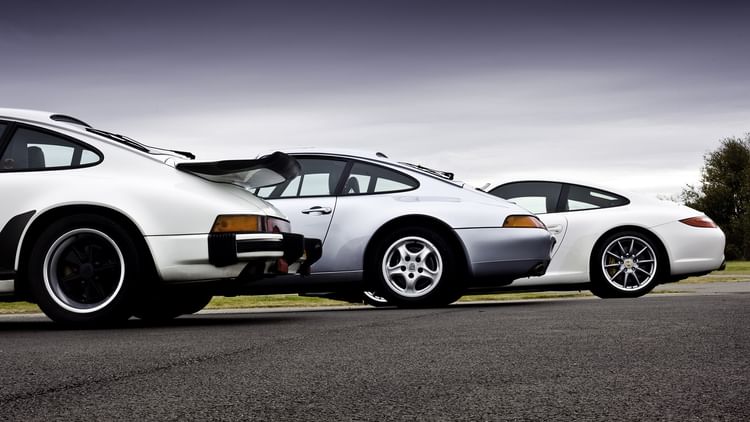
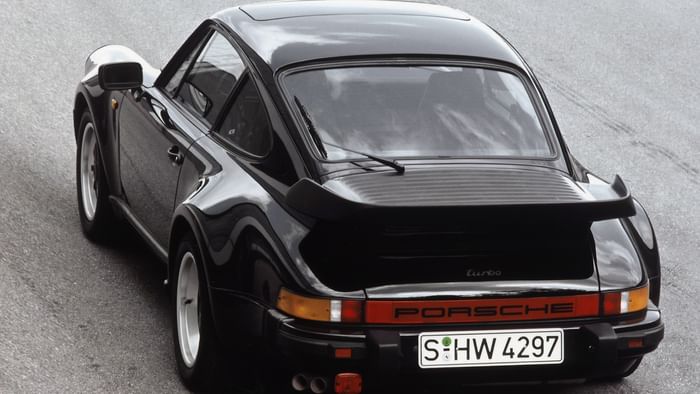
Exhibit three: The Porsche 911 (yes, all of them)
Strapline: Volkswagen Sports Beetle
Factfile:
- Production: 1964-present
- Bodystyles: Coupé, Targa, Convertible
- Engine size: 2.0-4.0 horizontally opposed six-cylinder petrol
- Transmission: 4-7-speed manual, 4-speed clutchless manual, 5-7-speed automatic
- Number built: 1.2 million plus
- Current status: Elephant in the room
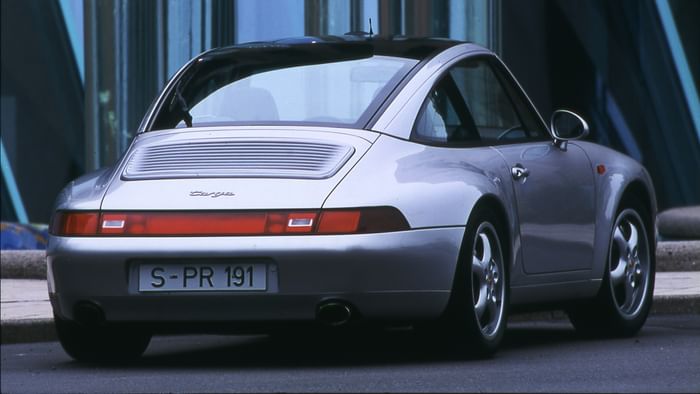
The case for the persecution
Sticking a six-cylinder engine at the extreme end of a car that is marketed as something agile isn’t a pursuit of excellence. It’s just a waste of time, effort and cash. There’s one way to make the 911 better, and nobody knows this more than Porsche.
Since the 911 appeared more than sixty years ago, no other road-going Porsche has had its engine in the back. Yes, I know about the 959, but that was just a posh 911. This needless obsession nearly killed the company on more than one occasion; the cars that came along to save the business had their motors in the right place.
The best-handling Porsches built are not the ones with the engine behind the transmission. Persevering with this madness for more than half a century just needs to stop now.
Let’s take a look at the evidence:
Porsche could be forgiven for bolting a 2.0-litre flat-six into the back of the original 911 in the sixties; they’d made a decent living from the car’s predecessors, which had built on the mass-market appeal of the Beetle from which they were derived.
Because I don’t want this to be boring, I am absolutely not going to give a history of the car’s gestation from stolen Tatra designs, to the KdF-Wagen, to the first 911. It’s too long and dull, but the main takeaway here is that the 1930s layout of the first Beetle did not place the engine behind the rear wheels for dynamic reasons.
Opinions vary, but what they all tend to agree on is that having the engine there made it easier to manufacture, service and replace when it was worn out. None of these things matter on a sports car. Going round corners well does matter, though.
Porsche nerds love to talk about physics, balance, set-up and dampers. Here, I won’t indulge them, save to say that before electronics were invented, if you lost the back end of a 911 there was nothing you could do about it. With a big metal lump hanging out the back, that pendulum would swing the moment you demonstrated your own misguided faith in the car’s abilities.
Those inherent flaws are worked around in the current iteration of the 911 through a mix of tyre specification, suspension settings, all-wheel-drive mechanical trickery and – most of all – electronics. All cars rely on software to keep them pointing the right way now, and the rear-engined Porsche is no exception. Without those systems, by now the laws of physics would have dictated a shift to a mid-engine layout.
911s are fun to drive. They have characterful-sounding boxer engines, which bring the advantage of a lower centre of gravity and, in principle, a corresponding reduction in body roll. Outside a local pub on a chilly Sunday-morning meet-up, owners will also try to kid each other that physics is on their side through various other claims – but they’ll be wrong.
It’s OK to be fun and flawed; this is how Alfa Romeo has survived for so long. But most 911s pre-the-996 water-cooled era aren’t even that nice to throw around unless you’re an experienced racing driver. They look nice and make a pleasant sound. That’s all most will get from them. While those 911 owners exchange notes over coffee in the car park, they’ll sneer and nod in the direction of the Caymans and Boxsters assembled at the same meeting.
Most of them will have worked their way up the ladder from a Boxster to a 911 and, despite the sneers, they will know for sure that those lesser models are without a doubt better balanced for having their engines in the right place. Those who came from transaxle Porsches such as the 924, 944 or 968 will know very well what balance feels like – without the benefit of computer control.
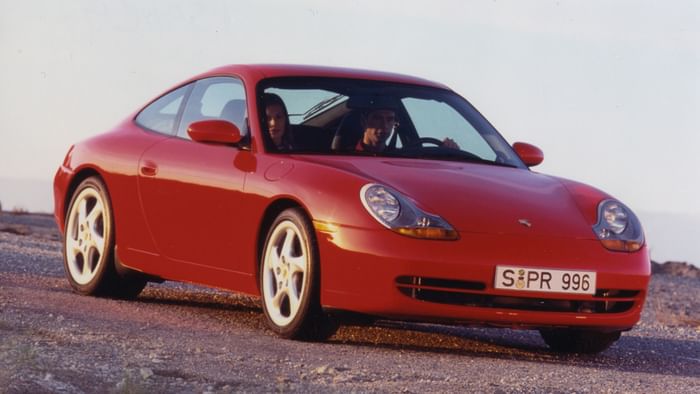
Summary
Today’s 911s stubbornly refuse to abandon a fundamental flaw in their packaging that was only ever there to make construction and maintenance less expensive. It’s time to move on before engines are banned completely. Working on the assumption that there might be one more conventional generation of 911 to go before internal combustion finally gets the heave-ho, Porsche needs to get its skates on and build the best 911 ever.
All they have to do is turn the engine and transmission round 180 degrees.
This is the third Defeat Your Heroes piece on Petrolblog, following earlier looks at the Ford Capri and the Land Rover Defender: cars whose reputations also benefit from selective memory. Photos © Porsche.