The impact of food truck vehicle customisation on the industry
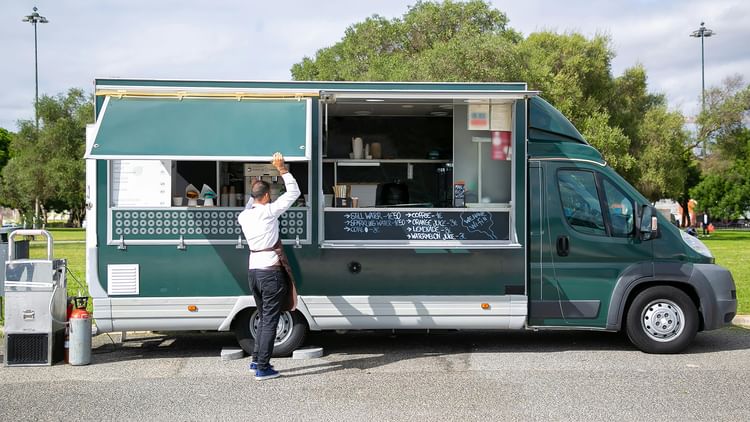
Mobile catering has rapidly evolved from a niche phenomenon into a major influence on vehicle design. Customisation trends are being shaped by the specific requirements of food entrepreneurs, encouraging innovation in engineering and materials.
As food trucks become a common sight on the road, it is worth considering how this shift has occurred. A major driving force has been improved food truck vehicle customisation.
The emergence of agile, compact mobile businesses has changed expectations of what vehicles should deliver. These two markets have influenced each other. Food truck operations have catalysed creative vehicle modification, as operators require platforms that are both highly functional and visually distinctive. At the same time, vehicle modification has enabled food trucks to become as agile and serviceable as they are today. For those interested in cars and commercial vehicles, this movement demonstrates how evolving consumer demands have inspired new technical approaches.
Commercial vans and trucks moving beyond basic upgrades
Initially, converting a van or light truck for mobile catering involved minimal changes, usually limited to installing cooking equipment and serving windows. This basic approach allowed quick and affordable transformation but offered limited durability and functionality over the long term.
As operator requirements increased, more advanced build concepts emerged. Purpose-built mobile platforms now incorporate flexible storage, improved ergonomics and equipment-specific mounting solutions, often informed by feedback from earlier food truck adaptations. Modular components enable vehicles to accommodate a variety of menus and service models. This evolution is evident in how catering vehicles are engineered to allow easy switching between functions, enabling operators to reconfigure their workspace for different menu items or trading environments.
Balancing reliability, capacity and onboard power needs
The operational demands of mobile catering place significant technical strain on donor vehicles. Reliability and minimal downtime are essential, as service interruptions can directly affect operators’ livelihoods.
Custom work prioritises durable, serviceable components over purely cosmetic changes. Upfitters pay close attention to weight distribution and maximum payload, taking into account the equipment and inventory typical of a food truck setup.
Well-designed layouts help prevent excessive chassis wear and maintain predictable handling. The energy demands of refrigeration, cooking appliances and point-of-sale systems introduce further engineering challenges.
Builders now incorporate advanced power systems, such as auxiliary batteries and higher-capacity alternators, to ensure reliable operation without overstressing the base vehicle. Effective ventilation and heat management have also become essential. Proper airflow and temperature control are necessary for both staff comfort and regulatory compliance.
Factory cab climate controls are often supplemented with custom fans, vents and insulation tailored to catering applications. These upgrades reflect the need for safe, stable operating environments in mobile food service.
Material innovations and engineered protection features
The move towards lighter, more durable materials is central to modern catering vehicle customisation. Aluminium and composite materials are widely used for their lower weight and resistance to corrosion, without compromising structural strength or load capacity.
Reinforcement techniques have also improved, with floors and mounting points regularly strengthened to withstand continuous use and intensive cleaning. Proper insulation enhances comfort and protects sensitive components, such as wiring and electronics, from heat and moisture.
Exterior bodywork must provide space for branding while resisting minor impacts and everyday wear. Advances in protective coatings and anti-slip flooring have also helped simplify maintenance for operators.
Integrating intelligent systems and ensuring regulatory compliance
Modern catering vehicles increasingly feature complex electrical systems, including additional batteries and system monitoring technology. Safety cut-off switches are now standard, protecting both operators and equipment from overloads and faults.
Connectivity features support route tracking, stock monitoring and improved compliance with food safety regulations, contributing to overall efficiency and risk management.
Regulatory requirements often determine which custom features are implemented in practice. The food truck sector’s strong focus on safety and compliance is now influencing commercial vehicle upfitting more broadly across the industry.
Impact on future trends in specialist vehicle upfitting
The evolution of the food truck model mirrors wider technical and regulatory progress in vehicle customisation. Its influence is evident in conversion practices that balance business needs with strict industry standards, reinforcing its position as a key driver of innovation in commercial vehicle development.