
Using automotive hobbies to build a career
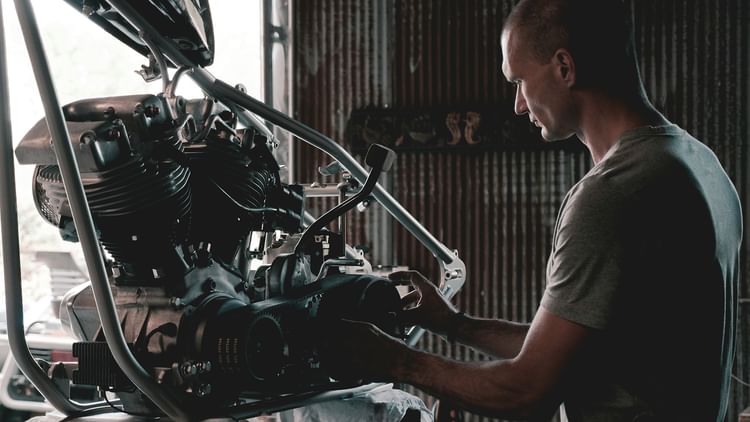
If you already enjoy working on cars, keep going. That hobby might be doing more for your future career than you realise.
How automotive hobbies can help you build a career
For many people, cars start as a hobby. Maybe you enjoy restoring old vehicles, modifying engines, watching motorsport, or simply spending weekends in the garage. At first, it might just feel like a fun way to relax. But over time, those small projects can turn into something much bigger.
Automotive hobbies often build real-world skills that employers value. Problem-solving, mechanical understanding, creativity and patience are all part of working with vehicles. In fact, many professionals in the automotive industry began exactly this way. Are you one of them? Keep reading to see how automotive hobbies can help you build a career – and what automotive job opportunities are out there.
You develop hands-on technical skills
Practical knowledge is one of the greatest benefits of automotive hobbies. Working on cars helps you understand how different systems interact. You learn how engines, transmissions, electrical systems and suspension components work together.
Simple jobs such as changing brake pads, diagnosing engine problems or installing performance parts provide valuable hands-on experience that cannot always be learned from books alone. These are skills that can be useful in many careers, including:
- Automotive technician
- Performance mechanic
- Restoration specialist
- Motorsport engineer
- Vehicle inspector
Even if you do not pursue a traditional mechanic role, understanding vehicle systems can be useful in areas such as product testing, automotive journalism or technical sales.
You learn problem-solving in real situations
Cars rarely break down in simple ways. A strange noise or warning light could have several possible causes. When you work on vehicles as a hobby, you constantly practise troubleshooting.
You might spend hours diagnosing an issue, researching forums, testing parts and experimenting with different solutions. That process builds analytical thinking and persistence.
Employers value people who can approach complex problems calmly and logically. The ability to break down an issue, test potential solutions and eventually fix it is a skill that translates well into many technical careers. Go ahead and check electrician vacancies abroad to get an idea of the situation.
You build a portfolio of real projects
Another benefit of automotive hobbies is that you can create a portfolio of your work. If you restore a classic car, rebuild an engine or customise a vehicle, you can document the process.
Photos, videos and detailed explanations of your projects show what you are capable of doing. This can be extremely helpful when applying for jobs or apprenticeships.
Many automotive enthusiasts share their projects online. Posting builds on social media, forums or automotive communities helps demonstrate your skills and passion. Over time, your hobby projects can become proof of real experience.
You connect with automotive communities
Automotive hobbies are rarely done alone. Car enthusiasts meet at events, online forums, clubs and track days.
These communities can be very useful when it comes to networking. By attending events or joining clubs, you can meet people already working in the automotive sector, from repair shops and tuning companies to parts suppliers and race teams.
These connections can sometimes lead to opportunities such as:
- Apprenticeships
- Internship offers
- Part-time workshop jobs
- Collaboration on projects
Sometimes, a casual conversation at a car event can open the door to a professional opportunity.
You discover specialised career paths
Many people assume that automotive careers simply involve becoming a mechanic. In reality, the industry includes a wide range of roles.
Depending on your interests, you might explore specialised areas such as:
- Performance tuning
- Motorsport engineering
- Vehicle design
- Automotive photography or media
- Parts development
- Diagnostics and electronics
For example, someone who enjoys modifying cars may develop a career in tuning. Someone who enjoys documenting projects might move into automotive journalism or content creation.
Hobbies can help you discover which part of the automotive world interests you most.
You gain experience with tools and technology
Modern vehicles rely on both mechanical and digital systems. Automotive hobbies often involve learning how to use specialised tools and diagnostic equipment.
You might start with basic hand tools and gradually move on to more advanced technologies, such as:
- OBD diagnostic scanners
- ECU tuning software
- Data-logging tools
- CAD design programs for custom parts
Learning to use these tools as part of a hobby can prepare you for workplaces where similar technology is used every day. Employers often value candidates who are already comfortable working with technical equipment.
You build discipline and patience
Anyone who has worked on a car knows that things rarely go exactly as planned. Parts break. Bolts get stuck. Projects take longer than expected.
Automotive hobbies teach patience and persistence. Completing a complex build can take weeks or even months of careful work.
This kind of discipline is valuable in any career. It shows that you can work through challenges and complete long-term projects. Employers often look for people who are committed, detail-oriented and willing to learn from mistakes.
Turning a hobby into a career
If you already enjoy working with cars, turning that passion into a career may be more achievable than you think. Many successful professionals started in exactly the same way: experimenting with cars in their spare time.
If you want to take the next step, consider:
- Taking automotive training courses
- Applying for apprenticeships at local garages
- Documenting your projects online
- Attending automotive events and networking with professionals
Even small hobby projects can demonstrate your dedication and skills.
Let’s wrap it up
Automotive hobbies are not just about spending time in the garage. They can be the starting point for a rewarding career.
Working on cars helps you develop practical skills, problem-solving ability and connections with like-minded enthusiasts. Over time, these experiences can open the door to opportunities within the automotive industry.
If you already enjoy working on cars, keep going.
Image © Aaron Huber/Unsplash