A practical car insurance renewal checklist for drivers
Renewing car insurance often feels routine, yet taking a few minutes to assess your policy can save stress, money and unexpected surprises.
Over the years, we’ve navigated numerous renewal cycles and discovered that careful preparation transforms what might seem like a chore into a confident, well-informed decision. This guide provides a step-by-step checklist to make renewal straightforward, useful for both newcomers and experienced drivers.
Why you shouldn’t just hit ‘auto-renew’
Many drivers assume auto-renew guarantees uninterrupted protection. While it does maintain coverage, it can mask premium increases, outdated terms or unnecessary add-ons. Ignoring renewal notices may result in paying for features you no longer need or missing better deals from competitors.
A simple habit we follow is to check every renewal document carefully. This practice clarifies policy changes, highlights key updates and ensures your insurance aligns with your current circumstances. Taking this step builds confidence and avoids unwelcome surprises when accidents occur.
Related: Things to check at car insurance renewal time
Renewal basics: timing, notices and deadlines
Understanding timelines is essential. Renewal notices typically arrive two to six weeks before expiry. Keeping track of these dates allows sufficient time to review your options and make adjustments. Missing deadlines can result in lapses in cover, leaving drivers exposed and potentially facing an increase in car insurance prices when reinstating a policy.
Key points to track:
- Notice date: The earliest opportunity to examine policy changes.
- Expiry date: The last day of active cover.
- Payment due date: Ensures uninterrupted insurance.
Setting calendar alerts can help maintain awareness and prevent last-minute stress.
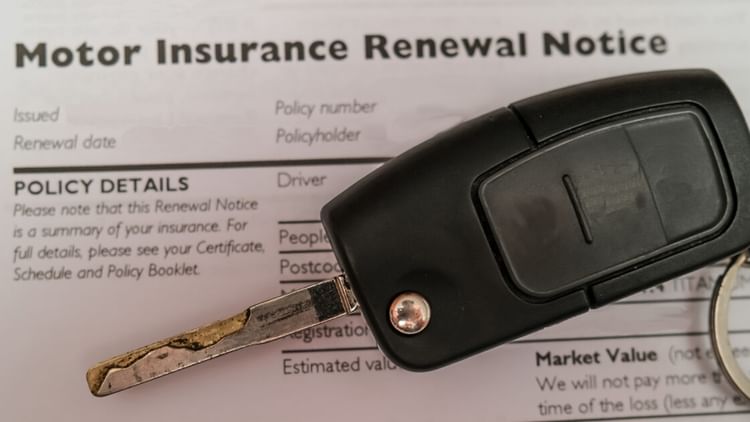
What’s in your renewal notice
Renewal documents contain important details that require attention:
- Premium amount: Check for increases and understand the reasons behind them.
- Cover type: Confirm whether comprehensive, third-party property, or third-party fire and theft remains suitable.
- Excess and exclusions: Know your obligations during a claim, including both voluntary and compulsory excess.
- Insured vehicle value: Ensure valuations match market rates and reflect any modifications.
Carefully examining these elements can reveal opportunities for savings or improved protection.
Step-by-step renewal checklist
A structured approach helps avoid oversights. We recommend dividing the process into three practical steps.
1. Review your current policy
Start by comparing your existing policy with your current requirements. For example, a car purchased years ago may no longer need comprehensive cover, while a newly acquired or higher-value vehicle could benefit from additional protection.
Consider add-ons carefully when choosing car insurance. Roadside assistance, hire car cover and natural disaster protection may not always justify the extra premium. Reflecting on past claims can reveal which features have truly delivered value.
2. Update personal and vehicle details
Accurate information prevents complications during claims. Confirm:
- Current address, phone number and email.
- All listed drivers, adding or removing as necessary.
- Modifications, aftermarket accessories or security systems installed.
Neglecting updates has caused minor issues in the past, especially when insurers questioned claims involving modified vehicles or drivers not listed on the policy. Correcting information proactively helps avoid these problems.
3. Check your driving profile
Changes in driving habits can influence premiums. Lower annual mileage, claim-free periods or updated licence details may lead to savings, while accidents or traffic offences can increase rates.
Reviewing your driving profile during renewal ensures your premium reflects actual risk and allows informed decisions about adjusting cover limits or excess amounts.
How to renew online (step-by-step)
Online renewal is convenient when approached methodically:
- Locate the renewal invitation: Usually emailed or accessible through your insurer’s online portal.
- Log in securely: Confirm your login details are current to prevent delays.
- Confirm and update details: Check personal information, vehicle specifications and driving history.
- Adjust cover and excess: Change limits, add or remove optional features, or modify excess levels to suit your needs.
- Apply discounts: Take advantage of multi-policy, loyalty or claim-free bonuses.
- Pay and download documents: Save certificates, policy documents and receipts electronically, and print copies if required.
This systematic approach reduces errors and makes it easier to reference documents if you need to make a claim.
Tips to avoid costly mistakes
Common pitfalls include:
- Never assume grace periods exist; delayed payment may leave vehicles uninsured.
- Monitor premium changes. Renewing during promotions or reviewing alternatives can save money.
- Avoid defaulting to auto-renew. Comparing current offers and past policy performance can strengthen your negotiating position.
- Check exclusions and optional features annually, even if premiums appear stable.
Implementing these practices encourages smarter decisions while preventing unnecessary expenses.
Compare quotes before you commit
Loyalty does not always guarantee the best price. Obtaining quotes from multiple insurers provides perspective on market offerings and reveals potential savings or better coverage.
Tips for comparison:
- Focus on coverage rather than price alone; a cheaper policy may lack important protections.
- Use reputable comparison websites or insurer websites for accuracy.
- Document differences clearly to guide informed decisions.
Taking time to compare ensures the chosen policy meets both your needs and your budget.
After renewing: what to do next
Renewal completion is only the beginning. Recommended actions include:
- Save electronic copies of certificates and policy documents.
- Schedule reminders for the next renewal period, ideally several weeks before expiry.
- Verify payment has been processed successfully and that cover is active.
These steps prevent future complications and help maintain uninterrupted protection.
Renew with confidence
Renewing car insurance doesn’t need to be stressful. Following a structured checklist transforms the process into a manageable task, ensuring your policy meets changing requirements. By examining notices, updating details, reviewing your driving profile and comparing quotes, you stay in control of both cost and protection.
Proactive engagement turns renewal into an opportunity for savings, improved coverage and greater confidence behind the wheel. Approaching the process thoughtfully allows you to enjoy driving while remaining fully protected.
FAQ: common renewal questions
Can coverage be changed mid-term?
Yes. Adjustments to drivers, vehicles and optional features are usually possible. Notify your insurer promptly to avoid gaps in cover.
What happens if payment is missed?
Late payment can result in a policy lapse. Some insurers offer short extensions, but confirmation should be sought immediately.
Are discounts available for low mileage or claim-free history?
Many providers reward low-risk drivers. Checking eligibility during renewal may reduce premiums.
Photo © iStock