SUVs dominate modern roads – but do they really make sense? Dimitri Urbain argues that large saloons and estates still offer comfort, character and practicality without the bulk.
Sometimes, the sun disappears from every modern street not because of meteorology but because a neighbour has parked a medium-sized planet SUV outside your house.
It is usually painted in ‘Arctic Graphite Thunder’ colour and has ‘Sport’ written all over it in bold letters the size of dinner plates. This, we are told, is progress: the SUV is a vehicle designed to climb the North Face of K2 but used to buy a single tomato from a shop located just half a mile away.
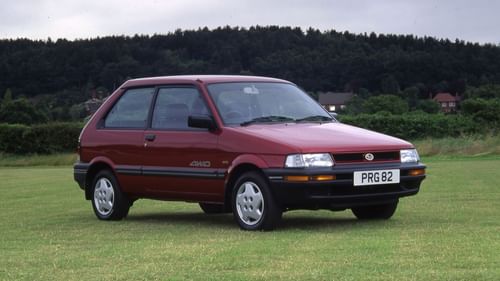
I would like to propose a radical alternative: the decent large saloon car and its sensible sibling, the estate. And, to keep things interesting, not the German ones we’ve all been conditioned to treat as the default setting of civilisation. I’m talking Swedish, Italian, French, British – the glorious United Nations of cars that say, ‘I have a life beyond the school run and I don’t need a ladder to get into it.’
The large saloon used to be the backbone of society. Judges arrived in them, bank robbers escaped in them and families toured the Lake District in them with a dog the size of a dishwasher sliding around the boot. Then, somewhere around the turn of the century, we collectively decided we needed to sit higher than everyone else in case a bison wandered onto the A34. The SUV epidemic began, and with it the belief that a car should resemble a block of flats on wheels.
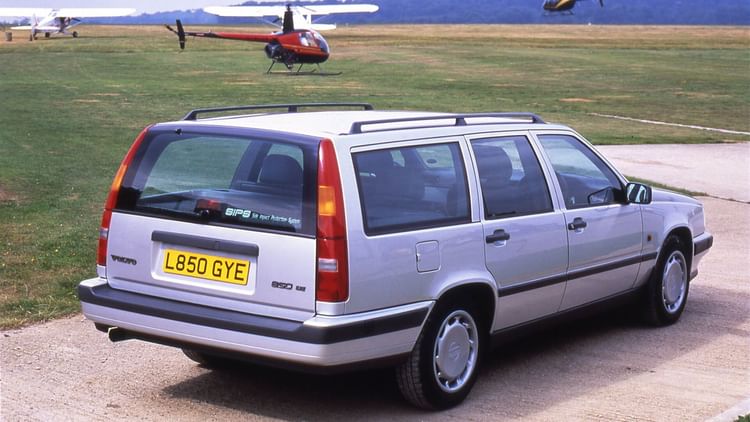
The Swedish understood the problem early. Volvo estates were designed by people who assumed you might need to transport an antique wardrobe, three children and a moose simultaneously. They were square, honest machines that looked as though they’d been carved from a single piece of sensible pine. A Volvo estate says, ‘I will get you home even if the weather has turned biblical and you have made poor life choices.’ An SUV says, ‘I am compensating for something, possibly several things.’
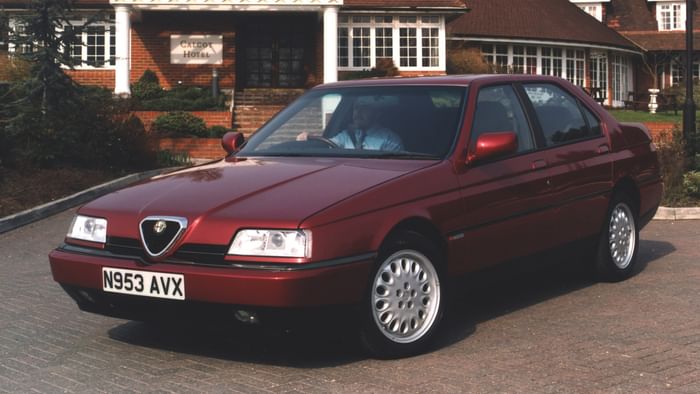
Italy, meanwhile, approached the saloon as if it were a tailored suit. An Alfa Romeo saloon doesn’t so much park as pose. It will probably leak a little oil, because Italians believe cars should express emotions, and emotions are occasionally damp. But an Alfa makes the school run feel like a scene from a heist film, whereas an SUV makes it feel like you’re delivering concrete.
The French contribution was even more important: comfort bordering on hallucination. Sit in an old Citroën and you don’t drive over potholes, you waft across them like a well-fed ghost. French estates have seats so soft that chiropractors lobby against them. Imagine replacing half the SUVs on the road with Citroëns and Peugeots: the national blood pressure would drop overnight. People would arrive at work mildly confused but happy, like they’d commuted inside a croissant.
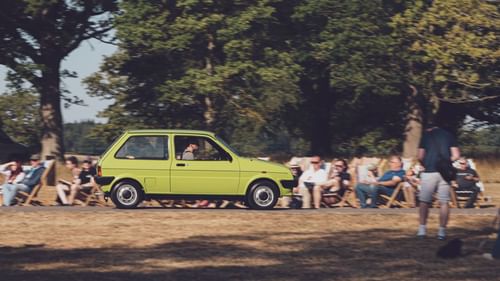
And Britain – bless it – has always produced saloons with the air of a slightly eccentric uncle. Jaguars that smell faintly of libraries, Rovers that look as though they’ve been designed to carry a Labrador called Humphrey. These cars say, ‘I might break down, but I will do so with impeccable manners.’ Compare that with the average Land Rover, which says, ‘I will block your view, your driveway and possibly your will to live.’
The great SUV myth? It’s practical. ‘I need the space,’ people say, as they load a single yoga mat into a boot large enough to house a youth orchestra. Estates have been doing this job for decades without requiring a climbing harness to reach the roof bars.
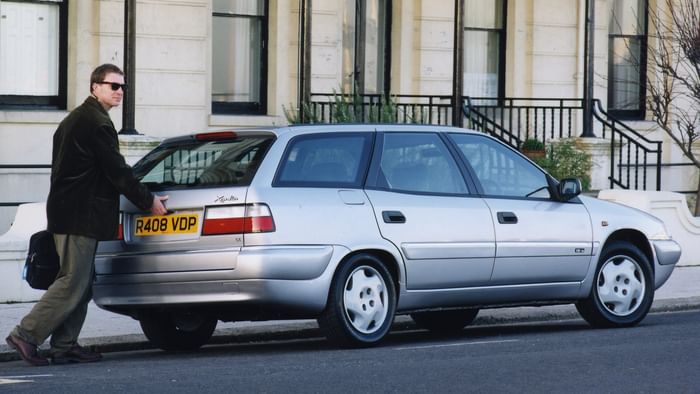
A well-designed estate can swallow bicycles, bookcases and the entire cast of a nativity play while still fitting into a normal parking space: those quaint rectangles painted on the ground before cars developed glandular fever.
Another popular belief is safety: being higher up makes you invincible. This is like assuming you’re a better swimmer if you stand on a chair in the shallow end. What actually happens is that everyone buys taller and taller cars until we’re all back at eye level again, only now we’re doing 70mph in something with a garden shed centre of gravity.
Saloons and estates also have a secret weapon: dignity. You can arrive at a wedding in a sleek French saloon and look like a film producer. Arrive in an SUV and you look as though you’ve come to deliver a trampoline or bouncy castle. The estate is even better: it whispers, ‘I have hobbies and may own a canoe.’ An SUV shouts, ‘I have seen one episode of Bear Grylls and feel prepared for the apocalypse.’
There’s an environmental angle too, though I promise not to get preachy. A big saloon is usually lighter, slipperier and less thirsty than a tall brick on wheels. Choosing one is like eating a salad while still allowing yourself chips: not saintly, but a step away from ordering the entire menu because the picture looked nice.
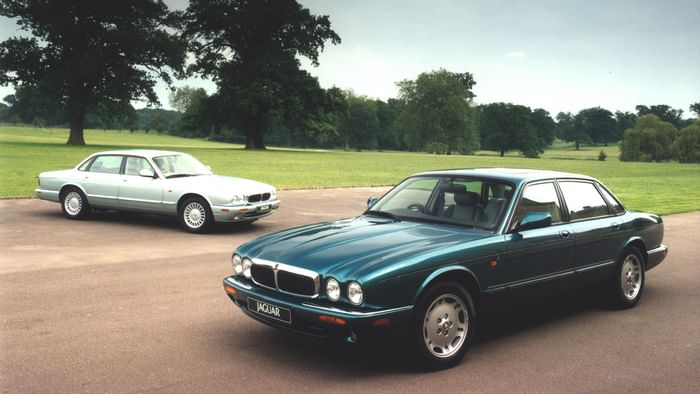
The non-German bit matters because of variety. If every car is a grey Teutonic rectangle, the roads begin to resemble a photocopier tray. Swedish cars bring woolly-jumper warmth; Italian ones bring drama; the French ones bring eccentric genius and the British bring leather that smells of pipe tobacco and mild regret. Together, they create traffic that looks like a conversation rather than a filing cabinet.
Imagine a future where half the SUVs are replaced by these characters. The school gates would no longer resemble a siege. Car parks would have daylight. Pedestrians would rediscover the joy of seeing over bonnets instead of peering up cliffs. Children might learn that a car can be beautiful without needing steps and a winch.
Of course, some people will cling to their SUVs, citing the need to ford rivers or outrun avalanches. Let them keep a few; every zoo needs hippos. But the rest of us could return to vehicles designed for actual human lives rather than imaginary expeditions. We could rediscover the pleasure of driving something that corners instead of leaning, that fits into actual small Tesco parking spaces without irony and that doesn’t require its own postcode.
Here is my modest proposal: next time you feel the urge to buy a car the size of a small cathedral, pause. Picture instead a Swedish estate ready to carry a flat-pack kitchen, an Italian saloon that flirts with you in the car park, a French wagon that rides like a sofa on roller skates, or a British barge that calls you ‘old chap.’ Choose one of them and help bring balance back to the roads.
Do it for the view, do it for the planet. Do it so the sun can reach my front window again. And, most importantly, do it so we can all stop pretending we’re about to cross the Sahara when we’re really just going to buy a tomato.