Imagine if, in response to criticism that Formula One has become complex, expensive and utterly impenetrable, the FIA chose Silverstone to launch a new race series.
Lined up on the grid are 22 cars, all of which have spent the previous day being fine-tuned and fettled through a series of qualification runs. Ahead lie 52 laps of the historic Northamptonshire circuit. Here, finishing matters more than finishing first. It may take some time.
Few rules exist. Cars must have an MOT and will be excluded if they are worth more than £500. Each entrant thinks they have the secret to success, although qualifying has suggested that grid order means very little. Spectators struggle to understand how this all works. So do the drivers and, even more, the pit crews. Nobody has any idea what’s going on.
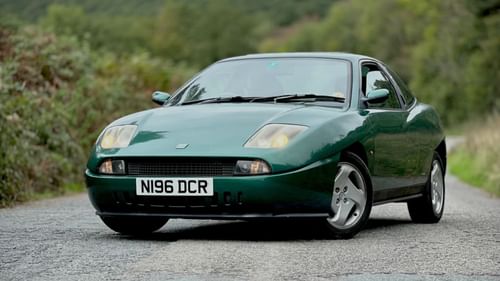
On the front row, and quietly confident until a few minutes ago, is Team Torsen. Their shabby silver Rover 220 Turbo Coupé kept ahead of everyone through qualifying by delivering huge gobs of boost on the straight parts of the track. It’s wet now, though, and the Royal Black tyres have seen better days. There’s no second set.
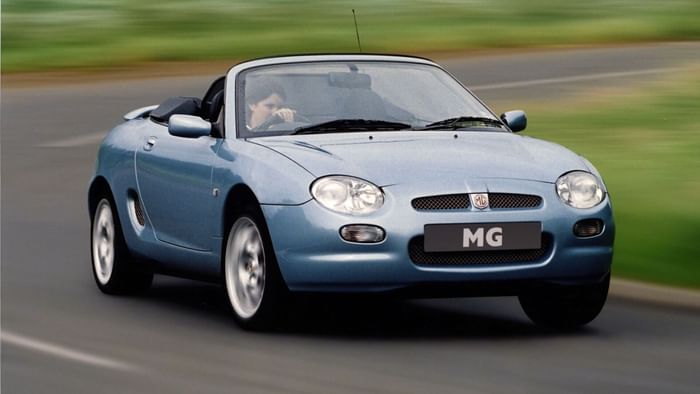
Alongside sits another Rover Group car: an early VVC-engined MGF, looking mean and riding low on its leaky Hydragas suspension. Whether this counts as a handling modification is open to debate, but second on the grid suggests something is working.
Diagonally behind the MGF is an Evolution Orange Mazda MX-5 NB. Team Jinba-Ittai discovered that a low-speed parking shunt had rendered it an insurance write-off. It’s good to go, and ready to show that MG who really won the roadster war.
Row two is completed by a real dark horse. The highest-qualifying diesel is a Citroën Berlingo in 2.0 HDi flavour. Remapped by someone off Facebook twelve years ago, the sooty pall swirling from its Timax exhaust was sufficiently off-putting to discourage anyone from following too closely. This has helped the Multispace secure an unnaturally high starting position.
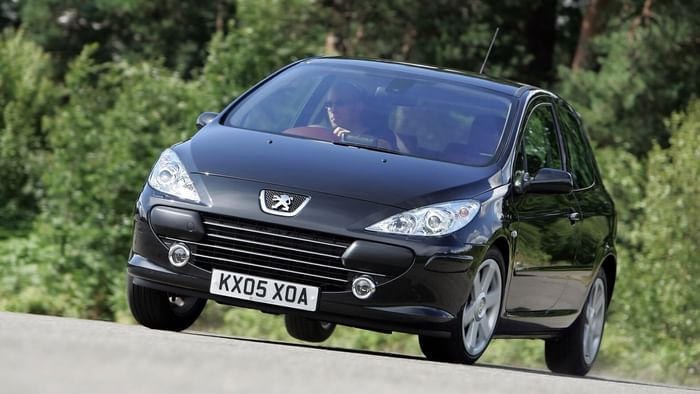
Further back, a Peugeot 307, a second-generation Renault Mégane and a Range Rover P38 demonstrate the different ways entrants have interpreted the requirements. And their varying appetites for risk. The P38 appears to be leaking a dead rainbow onto the circuit. This doesn’t bode well.
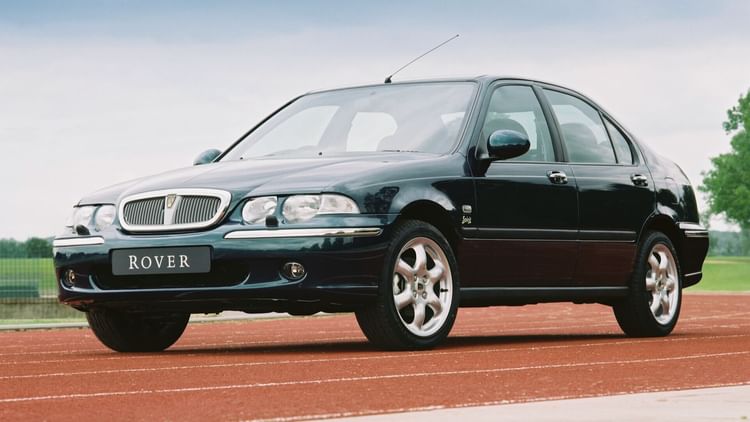
Longbridge Racing has fielded a very late, final-facelift Rover 45 in XPower Grey, but chosen the smallest 1.4-litre engine. Taking inspiration from the MG ZS, the team has fettled the suspension, helping it keep up gamely through the corners before running out of puff halfway along each straight.
Finally, at the back of the grid, is a Mk5 Ford Escort. The RS Kickers have managed to find a solid example without the usual Ford scene tax and get it to Silverstone within budget. This is no mean feat. The wheezy CVH engine and tired suspension couldn’t secure a better starting position, but last place is no shame in such company. It’s the thought that counts.
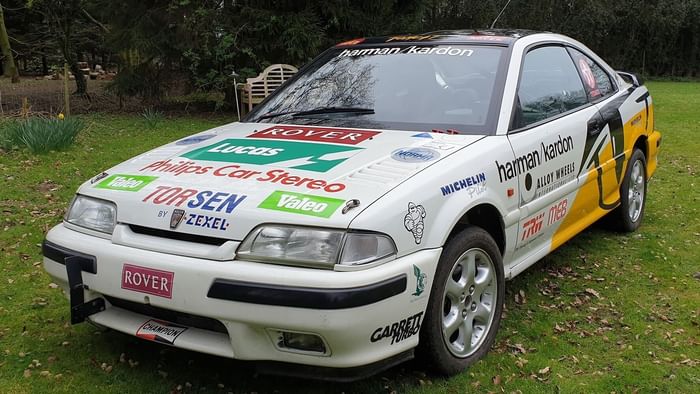
All eyes turn to the lights suspended over the start/finish line. There’s no formation lap, because this would only increase the likelihood of failure. Engines are coming to life, and the cars are ready to go. All except the Escort. Concerned about the smell of burning oil, the RS Kickers switched the engine off five minutes ago. Now it won’t restart. The bonnet is raised and there’s some wafting going on with anxious hands, but it’s too late. The lights go out.
As the other cars move away, marshals push the Escort off the grid. Distracted by this, almost everyone misses the Renault Mégane, which hasn’t moved either. Its key card, already bonded together with sticky tape, has snapped in the driver’s back pocket. The car hasn’t even been switched on, let alone had an opportunity to crank into life. There’s a fat-bottomed obstacle in the middle of the grid, and only a few minutes to clear it before the front runners return.
Up ahead, the Rover 220’s power advantage has been squandered in an enthusiastic display of wheelspin. The little MG tucks neatly in front as the first corner is cleared. The turbocharged Coupé soon starts reeling it back in. Hard on the brakes for the Village and Loop combination, the Rover driver sees an opportunity. Side by side in the turn towards the Wellington Straight, another premature application of power proves catastrophic.
The front tyres surrender their remaining grip, the steering wheel writhes and the Coupé heads for a tyre wall. Team Torsen’s afternoon ends with a crunch. The MGF sprints away.
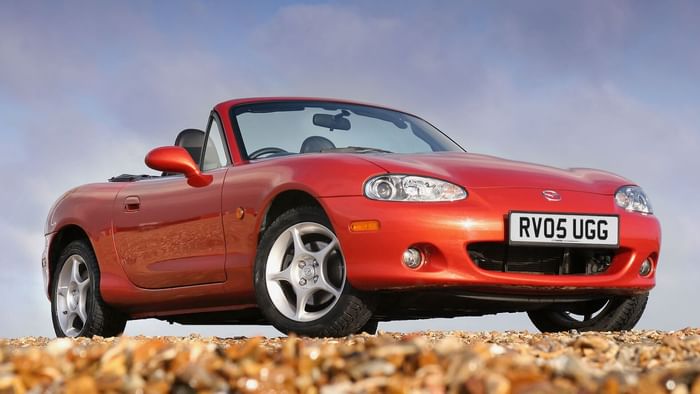
In the now second-placed Mazda, the driver knows the MG's VVC engine gives it the edge on the straights. The MG’s troubled suspension, however, offers some hope through the corners. Braking late into Brooklands closes the gap. The Mazda’s snicketty gearshift and neatly placed pedals help keep things moving through Luffield, and as the cars accelerate through Woodcote, a familiar smell reaches the Japanese roadster’s cabin. Coolant.
A glance at the temperature gauge suggests it isn’t the Mazda. Moments later, the wisps of white steam behind the MGF give the game away. The MG slows, then pulls aside. The bottle of K-Seal in the glovebox will be sitting this one out. The Mazda takes the lead.
Further back, a PSA battle is getting the attention of the television cameras. The Peugeot 307 and Citroën Berlingo have been trading places, making the most of their turbodiesel torque. Neither car has ever been driven this hard, but the Peugeot emerges from Luffield just ahead.
Then a warning appears on its dashboard. It’s followed by another. The driver is still considering the implications of ANTI-POLLUTION FAULT when the car makes the decision for him. Limp mode. The Berlingo draws level and then pulls past, leaving the Peugeot to retire with a dashboard resembling a particularly pessimistic Christmas tree.
Behind them, the Range Rover has managed to stay ahead of the Rover 45 as the rain gets heavier. The four-wheel-drive system, which many thought would be an obstacle to success, is earning its keep. If it stays wet, the P38’s V8 grunt might just keep it in contention.
The little Rover is doing its best. Its 1.4-litre engine screams as the driver tries to make up through the corners what he loses along the straights. For the spectators, it’s a wonderful contest between two cars that ordinarily have little reason to meet beyond the supermarket car park.
Neither will make it to the Hangar Straight. The Range Rover is first to go. Ploughing through standing water, its driver suddenly feels cold. And very damp. The duct-tape repair around the sunroof has lifted during qualifying. Water finds its way inside, prompting an involuntary flinch at precisely the wrong moment. Droplets obscure the driver’s visor, and there are no tear-offs to clear the view. By the time his attention returns to the approaching Maggots and Becketts complex, the heavy car is travelling too fast. Understeering in a howl of tyre noise, the P38 beaches itself in the gravel.
Chuckling, the Rover driver steals a glance at the beached off-roader. As he looks forwards again, everything goes dark. All vision is gone, just as the hatchback turns towards Chapel and the Hangar Straight. With zero visibility, the 45’s nearside steel wheel hits the kerb, sending a shimmy through the cabin and pitching the car into a sudden pirouette. The rear wing strikes a tyre wall, spinning the car in the opposite direction before it comes to a halt mid-track.
Concerned for the Rover driver’s wellbeing, the medical team run to the car in response to a distress call about his sudden blindness. The chrome-plated door handle fails as it is pulled, forcing the team to break the side glass. Inside, the cause is clear. The headlining glue has failed. The interior of the car now resembles a Bedouin tent, completely obscuring forward vision.
Nobody expected this race to become a contest between a Mazda MX-5 and a diesel Citroën Berlingo, but less than one lap in, here we are. The Mazda has maintained a tidy line through Stowe and now has a clear track ahead. Confident of crossing the start/finish line in first place, its driver brakes for Vale. As the car tucks into the left-hander, there’s an ominous clunk. The rear end steps sideways, then back again. Quick reactions prevent a spin, but something is wrong.
There’s rather more movement in the body than Mazda intended. The concealed rot that escaped the team’s inspection has announced itself under the pressure of the opening lap. Accompanied by a grinding noise and a shower of rust, the MX-5 limps to the side of the circuit, the driver's bottom now dragging along the asphalt. In its mirror appears the Berlingo.
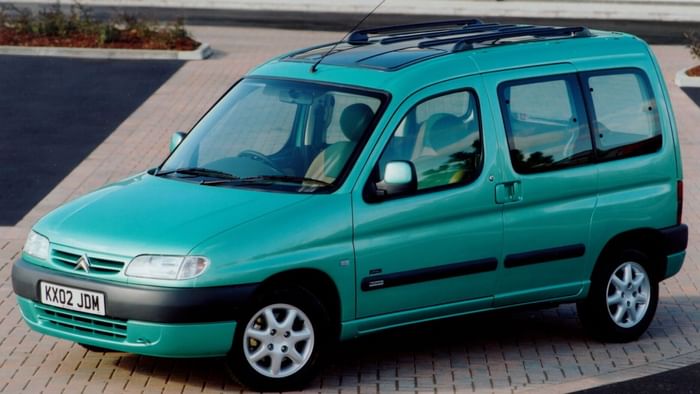
Surely now, victory belongs to the early-noughties people carrier. Hardly believing her luck, the Citroën’s pilot buries the throttle pedal in the van’s threadbare carpet, sending a thick cloud of particulates towards the spectators in the grandstands along the finishing straight. It’s looking good for this hard-working family car as the tyres bite into the newly gouged tarmac through Club.
With a sickening bang and another shower of sparks, the dream is over. The Berlingo’s rear axle assembly – wheels still attached – tears free and bounces away at a remarkably oblique angle. The Citroën’s crew had missed the warning signs of impending disaster during their inspection. Now, the van is reduced to a two-wheeler.
Desperate to drag the windowed van those last few metres to the finish line, the pilot keeps her foot down. The front wheels pull the fatally wounded body along like a disabled dog, before a red flag is waved from the pit lane. There’s not enough time to resurface the track before the big race, and that’s it. Race over, without a single lap completed. Looking on from the podium, the FIA officials pack the champagne away. The race trophy, a gold-coated Nissan Qashqai boot handle, remains on the shelf above.
The crowd, though, is ecstatic. Over in a matter of minutes, with no finishers, the British Yawn Prix is declared an enormous success. It’s the most exciting thing to happen to Formula One in decades.
Photos © manufacturers, except Rover 220 Turbo © H&H Classics